Last updated September 24, 2026
New windows and doors improve comfort, cut energy bills and add long-term value to your home. Sightline Windows & Doors Olympia Heights pairs proven product lines with our own installing crews for lasting performance - and a price we put in writing.
1. Choose your installer
The unit is half the job - the install is the other half. Our own background-checked crews measure, set, seal and insulate every opening, and they know the lines we quote inside and out because they install them every week.
2. Select the right products
Compare styles, materials and glass packages side by side until the fit is right for your rooms, your budget and your goals. The product-line comparison below is the place to start.
3. Prepare your home for install
Before install day we walk you through a short checklist - furniture pulled back, treatments down, a clear path to each opening - so install day is watch-it-happen, not scramble.
Compare the Lines We Quote
Every project is priced on the same lines, side by side - the price indicators below are relative, and your consultant shows exact numbers on your actual openings.
PGTThe line Florida homeowners arrive naming - the most Miami-Dade certifications in the industry$$$
- More Miami-Dade NOA certifications than any other line we quote
- WinGuard, EnergyVue and ClassicVue Max systems built for every wind zone
- 99% on-time delivery keeps your install date on the calendar
CGIThe heavyweight impact line$$$$$
- Large-missile impact ratings for the strictest wind zones
- Architectural-grade aluminum with commercial-depth frames
- The line we quote when protection is the whole point
CWSThe Florida value pick$$
- Vinyl systems built in Florida for Florida codes
- Strong energy packages at the friendliest price point
- The smart start for whole-home replacements on a budget
ESWSlim lines, big glass$$$$
- Narrow-sightline aluminum for modern elevations
- Oversized openings and floor-to-ceiling glass
- Impact-rated without the bunker look
ECOThe aluminum impact workhorse$$$
- Miami-built aluminum impact systems
- A strong price-to-protection ratio for coastal homes
- Proven inventory lines with short lead times
Windows & Doors Permits, Codes & Inspections in FL: What You Need to Know
A window replaced without a permit in Florida doesn’t just risk a fine - it can appear as an “unpermitted improvement” on a 4-point insurance inspection and cause a policy non-renewal, regardless of how well the window was installed. In Olympia Heights, where many homes were built between 1955 and 1985 and are now changing hands to second-generation buyers, we’ve seen permit gaps stall refinances and trigger Citizens Property Insurance re-inspections that cost homeowners thousands in forced upgrades. This guide - alongside our Complete Guide to Windows & Doors in Olympia Heights - explains Florida’s permit and inspection sequence as a financial protection document, not a bureaucratic inconvenience. You’ll learn exactly which replacements trigger permits, how Miami-Dade NOA and Florida Product Approval numbers control what can be installed, what inspectors verify at rough-in and final, and how to document compliance for your home’s permanent asset record.
Quick Answer

In Florida, most window and door replacements require a permit if the opening size changes, the frame type converts (wood to vinyl, single-hung to sliding), or the product is impact-rated and must match a Miami-Dade Notice of Acceptance or Florida Product Approval number on file. The inspection sequence runs rough-in (framing, flashing, product verification) then final (operation, seals, labeling), and a closed permit card with inspector sign-off protects against insurance non-renewal and adds documented value to the home record.
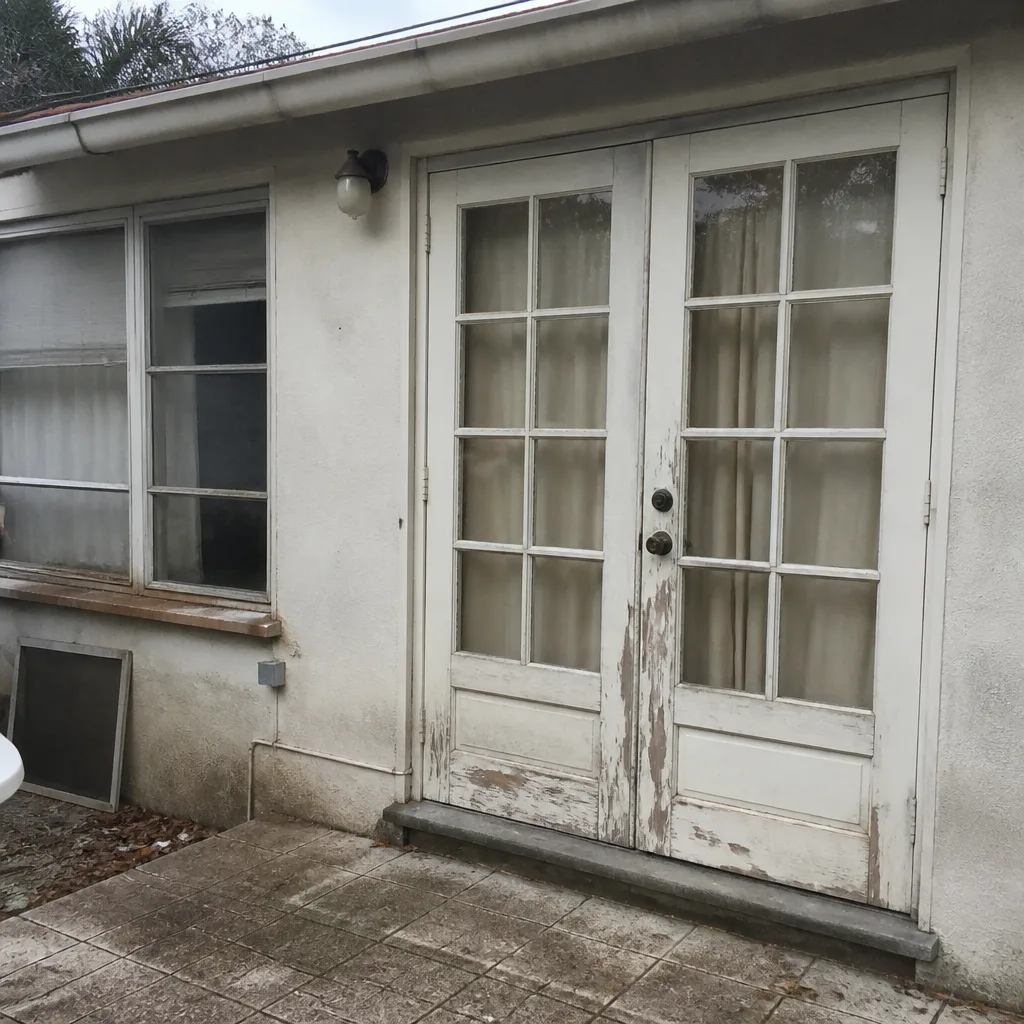 Before
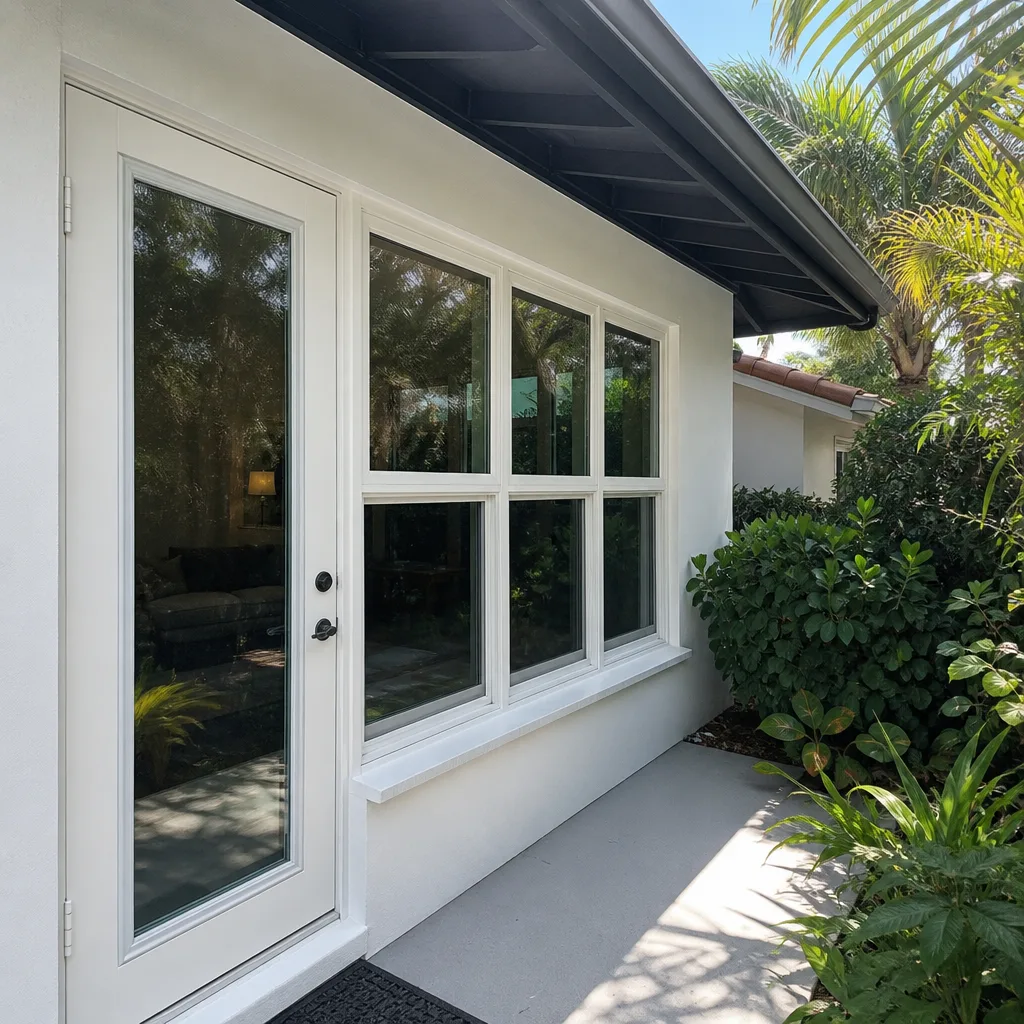 After
AfterTable of Contents
- When Permits Trigger for Window and Door Replacements
- FBC 2023: The Specific Sections That Govern Your Project
- Miami-Dade NOA and Florida Product Approval: What Gets Installed Must Match What Was Approved
- The Inspection Sequence: Rough-In, Final, and What the Inspector Expects
- Documentation Strategy: Photos, Permit Cards, and 4-Point Insurance Inspections
- Existing Unpermitted Work: The Retroactive Permit Process in Miami-Dade and Broward
- Permit Costs and Timelines in Olympia Heights and Surrounding Jurisdictions
- Common Mistakes to Avoid
- When to Call a Professional
- Frequently Asked Questions
When Permits Trigger for Window and Door Replacements
Florida’s threshold for permits is lower than most homeowners assume, and the distinction between “repair” and “replacement” is where most permit violations begin.
Like-for-like, same size, same frame type: Under Florida Building Code 2023 Section 105.2, work exempt from permit includes “glass replacement in an existing sash or frame” and “repair of an existing window or door.” This means swapping a cracked pane in a wood double-hung, or replacing a rotted sash while keeping the original frame dimensions and material, typically does not require permitting. The key is that the rough opening, structural header, and frame type remain unchanged.
What triggers a permit:
- Any change to the rough opening dimensions, including enlarging or reducing width or height
- Conversion between frame materials (wood to vinyl, aluminum to fiberglass) because attachment methods and structural loads transfer differently
- Change in operation type (single-hung to casement, sliding to French) because egress, ventilation, and wind-load requirements shift
- Installation of impact-rated products in non-impact-rated openings, which requires engineering review of the wall system’s ability to transfer wind loads
- Any door replacement in a rated assembly (garage-to-house, stairwell enclosure) where fire rating must be verified
- Replacement in High-Velocity Hurricane Zones (HVHZ), which includes all of Miami-Dade and Broward counties, where even like-for-like impact product swaps require permit verification of the NOA match
In Olympia Heights, we regularly encounter 1960s ranch homes with original jalousie windows being replaced with single-hung impact vinyl. That’s three permit triggers: frame material conversion (aluminum to vinyl), operation change (jalousie to single-hung), and impact-rated product installation in HVHZ. The permit application must list the manufacturer’s NOA number, the specific product series, and the installation method (fin-frame vs. block-frame) before the inspector will schedule rough-in.
We’ve also seen homeowners in the Olympia Heights area assume that “same size” means same rough opening. It doesn’t. If your new window has a nailing fin that extends beyond the old block-frame footprint, or if the new vinyl extrusion is thicker and reduces the glass surface, you’ve altered the opening. The measured survey we provide under Haven Clause 1 documents the existing rough opening to the sixteenth of an inch, and we flag any dimension shift before the permit application is filed.
FBC 2023: The Specific Sections That Govern Your Project
Generic advice to “check local code” is useless without the specific sections. Here are the FBC 2023 provisions that control window and door permitting in Olympia Heights and all Florida jurisdictions.
Section 105.1 - Required Permits: “Any owner or authorized agent who intends to construct, enlarge, alter, repair, move, demolish, or change the occupancy of a building or structure… shall first make application to the building official and obtain the required permit.” The critical word is “alter,” which Florida building officials interpret to include any change to the approved window or door schedule on the original construction documents.
Section 105.2 - Work Exempt from Permit: The exemption for “glass replacement in an existing sash or frame” is limited to the glazing infill only. Replace the IG unit (insulated glass) in an existing vinyl window? Exempt. Replace the sash, frame, or hardware? Permit required.
Section R609 (Residential) / Section 1714 (Commercial): Exterior wall envelope requirements. This governs water-resistive barriers, flashing integration, and drainage planes. In Olympia Heights, where summer thunderstorms deliver 2-4 inches in an hour and the humidity stays above 75% for six months, failed flashing is the most common rough-in inspection failure we observe.
Section R301.2.1.1 - Wind-Borne Debris Region: All of Miami-Dade and Broward counties are within the wind-borne debris region. FBC 2023 requires impact-resistant coverings or impact-rated products for all exterior openings unless the home has a engineered safe room or storm shelter. This is why the NOA/FPA match is non-negotiable in our area.
Section R310 - Emergency Escape and Rescue Openings: Bedroom egress windows must meet minimum opening area (5.7 square feet net clear), minimum opening height (24 inches), minimum opening width (20 inches), and maximum sill height (44 inches above finished floor). We’ve measured original 1950s Olympia Heights windows at 18 inches clear width - legal when built, but any replacement must meet current egress. The permit inspector will measure with a tape, not trust the manufacturer’s catalog.
Section R311.3 - Stairway Illumination and Headroom: Door replacements affecting stairwell enclosures must maintain landing dimensions and headroom clearances. A common error: installing a deeper Therma-Tru fiberglass entry unit with sidelight in a 1960s entryway, reducing the interior landing to below 36 inches depth.
Section R613 - Exterior Windows and Doors: Product certification, labeling, and installation according to AAMA/WDMA/CSA 101/I.S.2/A440 or Florida Product Approval. The label must remain visible after installation - painted over, removed, or covered with trim is an automatic final inspection failure.
We file permits with these section citations pre-populated in our application package. The building official in Miami-Dade reviews faster when the applicant demonstrates familiarity with the specific provisions, and it reduces the back-and-forth that delays scheduling.
Miami-Dade NOA and Florida Product Approval: What Gets Installed Must Match What Was Approved
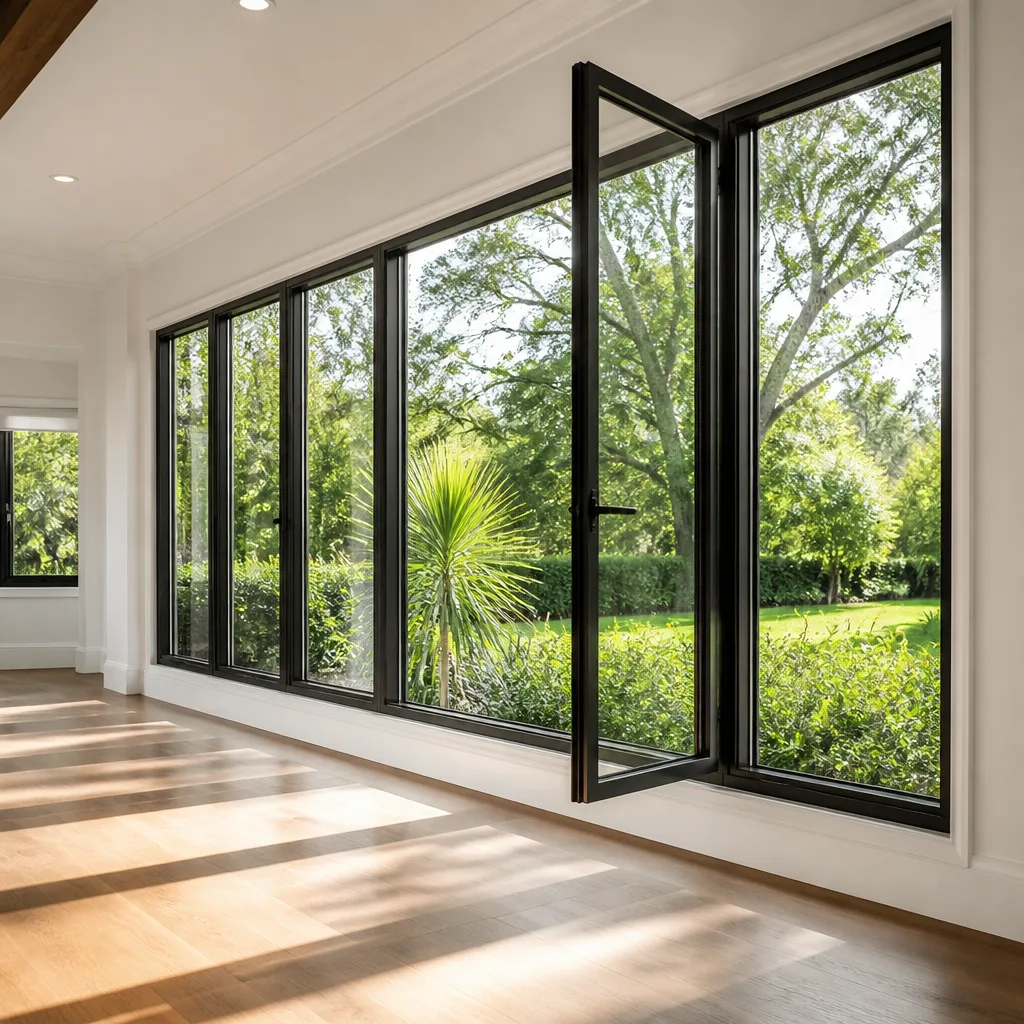
This is where Florida’s system diverges sharply from other states, and where most DIY vs professional installation failures occur.
Miami-Dade Notice of Acceptance (NOA): A product-specific approval issued by the Miami-Dade County Product Control Division after testing to TAS 201, 202, and 203 (large missile impact, cyclic pressure loading, and static pressure). An NOA is not a generic brand approval - it specifies exact product series, frame depth, wall thickness, reinforcement, glazing type, and installation method. PGT’s WinGuard 4000 series has multiple NOAs with different maximum size limits, pressure ratings, and approved mullion configurations. Install the 4000 series with a mullion spacing wider than the NOA allows, and the product is unapproved regardless of the brand name on the frame.
Florida Product Approval (FPA): A statewide approval issued under Rule 9N-3, Florida Administrative Code. FPAs are valid across all Florida jurisdictions but may have geographic or wind-speed limitations. An FPA for a product rated to 140 mph may not be installable in Miami-Dade’s 175 mph design wind speed zone without engineering analysis.
What appears on the permit application:
- The NOA or FPA number (e.g., NOA 20-0904.05, FPA 27282)
- The specific product series and model designation
- The design pressure rating (DP) in pounds per square foot
- The missile impact rating (small or large)
- The installation method (fin-frame, block-frame, or direct-set with approved anchor schedule)
- The approved sealant and flashing integration detail
What happens at inspection if the product doesn’t match:
The inspector compares the physical label on the window or door frame against the permit application. Discrepancies we have seen in Olympia Heights and surrounding areas include:
- Product label shows Series 4100; permit lists Series 4000 - different NOA, different pressure rating
- Installed product lacks the “HVHZ” designation required for Miami-Dade; permit assumes HVHZ compliance
- Block-frame installation used; NOA specifies fin-frame only with nailing pattern
- Glazing label shows small-missile rating; permit requires large-missile for first-floor installation
- NOA expired during construction; renewal was filed but not yet issued at time of inspection
In each case, the inspector issues a correction notice. The product must be removed and replaced, or an engineer must submit a letter of equivalency demonstrating the installed product meets or exceeds the approved product’s performance. Either path adds weeks and thousands of dollars. We verify NOA status at time of order, not at time of inspection, and we photograph every product label before the protective film is removed.
Our eight manufacturer lines - including PGT, CGI, and CWS - are specified by the opening’s requirements, not by warehouse availability. If a CGI Estate Collection double-hung is the only product with a current NOA matching a specific Olympia Heights opening’s size and pressure requirements, that’s what appears on the permit. Haven Clause 1 means the customer sees that specification and its price in writing before we order.
The Inspection Sequence: Rough-In, Final, and What the Inspector Expects
Florida’s inspection sequence for windows and doors has two mandatory holds: rough-in and final. Understanding who calls for each, what must be visible, and what documentation must be on-site prevents the most common scheduling failures.
Rough-In Inspection:
This occurs after the old unit is removed, the opening is prepared, the new unit is set and secured, but before interior trim, exterior cladding repair, or drywall return covers the critical interfaces. The inspector verifies:
- Product label is visible and matches permit - series, NOA/FPA number, DP rating, impact classification
- Opening dimensions match permit drawings; header remains intact and properly supported if modified
- Flashing integration is complete: sill pan, jamb flashing, head flashing with end dams, and continuity with the water-resistive barrier
- Fastener type, spacing, and embedment match the NOA’s approved anchor schedule
- Shim placement and fastening method allow for adjustment without compressing the frame
- Expansion gap between frame and rough opening is within NOA tolerances (typically 1/4 to 3/8 inch)
- Operable units function: sashes open, close, lock; hardware engages fully
Who calls for rough-in: The permit holder, which is typically the licensed contractor. In Miami-Dade, inspections are scheduled through the Sightline Windows & Doors Olympia Heights home portal or by phone; same-day scheduling is sometimes available but not guaranteed. We schedule rough-in before our crew leaves the site, with the understanding that the inspector may arrive the next business day.
What the homeowner should photograph before trim covers the rough opening:
- The full product label on the frame edge or sash, legible and unobstructed
- The flashing sequence at sill, jamb, and head, showing integration with WRB
- The fastener pattern, especially at the corners and center of each jamb
- The shim locations and the gap between frame and rough opening
- The interior view showing header condition and any structural modification
These photos are your evidence if a future insurance inspection questions the installation. We include them in our documented photo record delivered with every job under Haven Clause 4 (Evidence on every job), but we encourage homeowners to capture their own set as well.
Final Inspection:
This occurs after trim, cladding repair, sealant application, and cleanup are complete. The inspector verifies:
- Interior and exterior trim is installed; sealant bead is continuous and tooled
- Product label remains visible (not painted over, not covered with trim)
- Operable units function smoothly; locks engage; screens are installed if specified
- Interior finishes are protected; no damage to drywall, paint, or flooring
- Site is clean; debris is removed
- Permit card is on-site for inspector sign-off
Who calls for final: Again, the permit holder. In our experience across Olympia Heights, Miami-Dade, and Broward jurisdictions, final inspections are more frequently delayed by permit card location than by installation quality. The card must be physically on-site, not in the contractor’s truck or the homeowner’s file drawer.
Pass, correction, or re-inspection: Pass means the inspector signs the permit card and the permit is “closed” or “finaled” in the jurisdiction’s database. A correction notice lists specific deficiencies with a re-inspection fee, typically $50-$150 in Miami-Dade. A re-inspection is required if the inspector cannot access the site, the work is not ready, or the permit card is missing. We have had exactly three correction notices in our last 2,000 installations, all for flashing detail clarifications resolved same-day.
Documentation Strategy: Photos, Permit Cards, and 4-Point Insurance Inspections
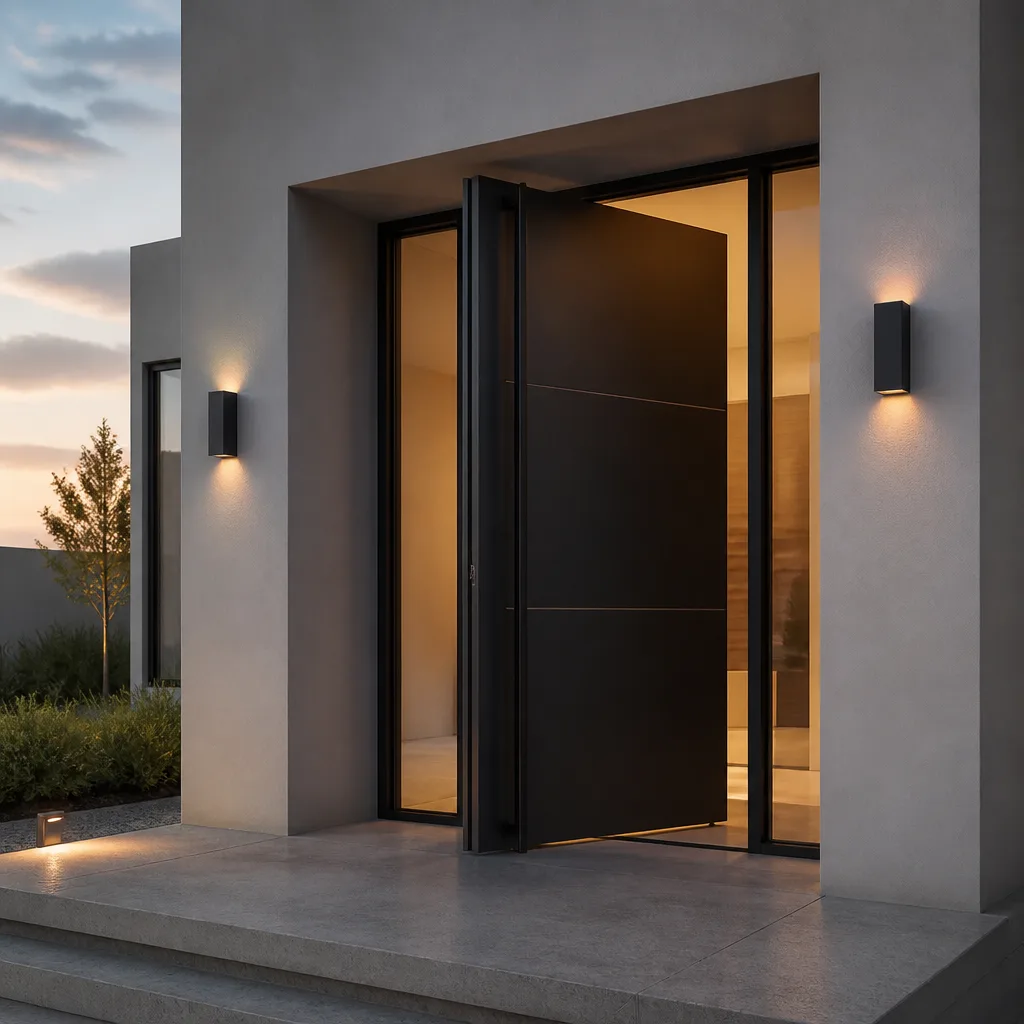
The closed permit card is a transferable asset. Here’s how to treat it as such.
What a 4-point insurance inspection covers: Citizens Property Insurance and most private carriers in Florida require a 4-point inspection for homes over 30 years old before issuing or renewing a policy. The four points are roof, electrical, plumbing, and HVAC. But the inspector also notes “unpermitted improvements” visible during the site visit - windows and doors warning signs like obvious age mismatch to the home’s original construction, or installations that lack the telltale permit sticker on the electrical panel.
How permit status affects insurance outcomes:
- Closed permit with final sign-off: The improvement is documented in the public record. The 4-point inspector notes “permitted replacement, 20XX” and moves on.
- Open permit (rough-in passed, final never called): The jurisdiction shows active permit status. Some insurers require closure; others accept proof of rough-in pass with explanation.
- No permit on record: The improvement is “unpermitted.” This triggers a conditional recommendation: obtain retroactive permit, replace with permitted installation, or accept policy exclusion for the affected opening.
- Permit pulled but failed final, never corrected: Worse than no permit, because the public record shows non-compliance.
Language to request from your inspector: When the final inspection passes, ask the inspector to confirm in writing - on the permit card or in an email - that the installation “complies with FBC 2023 Section R613 and the product-specific NOA/FPA requirements.” This language is what underwriters recognize. We request this confirmation as standard practice and include it in the job file we deliver to the homeowner.
Where to store your documentation:
- Permit card (signed): Original in your safe; PDF in your cloud storage
- Inspector’s compliance note: Same
- Product labels (photographed): Same, with NOA/FPA number visible
- Installation photos (rough-in and final): Same
- Contractor’s invoice with scope description: Same
- Warranty documents: Same
In Olympia Heights, where home sales to buyers aged 32-50 are increasingly common, we’ve seen sellers produce this documentation package at listing and command faster closings with fewer inspection contingencies. Buyers in this demographic research permit history; a complete file answers their questions before they ask.
Our Window Installation in Olympia Heights process includes delivery of all documentation within 48 hours of final inspection. Haven Clause 4 requires evidence on every job, and the permit closure is part of that evidence.
Existing Unpermitted Work: The Retroactive Permit Process in Miami-Dade and Broward
If you’ve inherited, discovered, or performed unpermitted window or door work, the retroactive permit process is specific, costly, and survivable. Here’s how it works in the jurisdictions serving Olympia Heights.
Step 1: Determine the jurisdiction and violation type
Miami-Dade County and the City of Miami have separate building departments with different fee schedules. Olympia Heights is an unincorporated area within Miami-Dade County, so permits route through Miami-Dade County Building Department, not the City of Miami. Broward County has its own process for homes east of the county line. The violation type matters: “work without permit” is a code violation; “work not to code” is a separate classification requiring more extensive correction.
Step 2: Prepare the application package
The retroactive permit requires:
- Completed permit application with property owner signature
- Survey or site plan showing the location of unpermitted openings
- Window/door schedule with manufacturer, series, and dimensions
- NOA or FPA documentation for each installed product, or engineer’s letter if product is unapproved
- Structural drawings if any opening was enlarged or header modified
- Energy compliance documentation (Form R405-2017 or equivalent) if the replacement affects more than 30% of the home’s glazing area
- Double permit fee - retroactive permits carry a 100% surcharge in Miami-Dade
Step 3: Schedule the “as-built” inspection
The inspector examines the installed work without the benefit of rough-in visibility. They may require removal of interior trim to verify flashing and fastening. In our experience, roughly 40% of retroactive inspections in the Olympia Heights area require some trim removal. The homeowner or contractor must perform this; the inspector does not.
Step 4: Address corrections and schedule re-inspection
Common retroactive failures:
- Product lacks current NOA/FPA - must be replaced
- Flashing not visible or not to code - must remove and reinstall
- Opening enlarged without engineering - must restore original size or provide engineer’s letter
- Egress requirements not met - must replace with compliant product
Step 5: Final inspection and permit closure
Once passed, the retroactive permit closes with the same documentation value as an original permit. The public record updates to show permitted work. The 4-point insurance inspection will reflect this.
Costs: In Miami-Dade, retroactive permit fees run double the original: a $250 original permit becomes $500, plus plan review fees, plus potential engineering costs of $800-$2,500, plus trim repair and repainting. We’ve seen retroactive permits for three window openings total $3,800 when product replacement was required. The original permitted installation would have cost $400 in permit fees.
Our recommendation: If you’re considering a home purchase in Olympia Heights with visible unpermitted window or door work, request a permit history search as part of your inspection contingency. For more guides & resources on protecting your investment, see our blog. The $75 search fee is trivial against the retroactive cost. If you own the home and discover the issue, address it before listing or before your next insurance renewal.
Permit Costs and Timelines in Olympia Heights and Surrounding Jurisdictions
Permit costs vary by jurisdiction, project scope, and valuation. Here’s what we’ve paid and what we’ve seen quoted in our service area.
Miami-Dade County (unincorporated, including Olympia Heights):
| Project Type | Permit Fee Range | Plan Review Timeline | Inspection Scheduling |
|---|---|---|---|
| Like-for-like replacement (1-2 units) | $180-$280 | 3-5 business days | Next business day after request |
| Impact-rated replacement (1-2 units) | $220-$350 | 5-7 business days | Next business day after request |
| Multiple unit replacement (3-8 units) | $350-$650 | 7-10 business days | 2-3 business days after request |
| Opening modification or new opening | $450-$900 | 10-14 business days | 3-5 business days after request |
| Retroactive permit (double fee) | 2x original fee | 14-21 business days | 5-10 business days after request |
Broward County: Slightly lower base fees, similar timelines. Hollywood and Fort Lauderdale have municipal departments with faster plan review but higher per-unit fees.
Valuation-based fees: Some jurisdictions calculate permit fees as a percentage of project valuation. Miami-Dade uses a hybrid: base fee plus valuation surcharge for projects over $5,000. A full-home window replacement at $18,000-$35,000 in Olympia Heights typically triggers the surcharge, adding $200-$400 to the base.
Typical total project timeline including permits:
- Measured survey and product specification: 1-2 days
- Permit application preparation and submission: 2-3 days
- Plan review and permit issuance: 3-14 days (varies by scope)
- Material order and delivery: 2-8 weeks (impact products from PGT or CGI currently 4-6 weeks)
- Installation: 1-3 days
- Rough-in inspection: 1-2 business days after scheduling
- Final trim and finish: 1-2 days
- Final inspection: 1-2 business days after scheduling
- Permit closure and documentation delivery: 2-3 days
Total: 6-12 weeks for standard replacements; 12-16 weeks for full-home impact upgrades during peak season. We provide a written timeline with every quote under Haven Clause 1, and we update if material lead times shift.
Our Window Replacement in Olympia Heights and Door Installation in Olympia Heights pages detail product-specific lead times and performance specifications.
Common Mistakes to Avoid
- Assuming “same size” means no permit. In Olympia Heights, we’ve seen homeowners replace 36×48 wood windows with 36×48 vinyl units, only to discover the vinyl frame is 2 inches thicker and the rough opening required modification. That’s an altered opening, and it’s permit-triggering.
- Installing a product with an expired NOA. NOAs expire and are renewed with revisions. An inspector in Miami-Dade rejected a CGI product last year because the NOA had expired 11 days before installation; the renewal was pending but not yet issued. We verify NOA status at order, not at delivery.
- Covering the product label with trim or paint. The label must remain visible for final inspection. We photograph it during rough-in and again at final, and we instruct trim carpenters to leave a reveal around the label.
- Failing to integrate flashing with the existing WRB. In older Olympia Heights homes with stucco over wire lath, the original WRB is often degraded. New flashing that doesn’t tie into a continuous drainage plane fails rough-in. We specify WRB repair in our scope when the measured survey reveals degradation.
- Not calling final inspection because “it looks fine.” An open permit is a liability. It shows in property records, it complicates sales, and it voids the documentation value of the permit. We schedule final before we leave the site.
- Accepting a verbal “it passed” without signed permit card. Inspectors sometimes indicate approval but forget to sign the card or update the system. We verify closure in the online portal within 24 hours and follow up if the status hasn’t updated.
- Throwing away documentation after “a few years.” Permit records are public, but the specific product labels, photos, and inspector notes are not. We deliver these in a digital file that belongs to the homeowner permanently.
When to Call a Professional
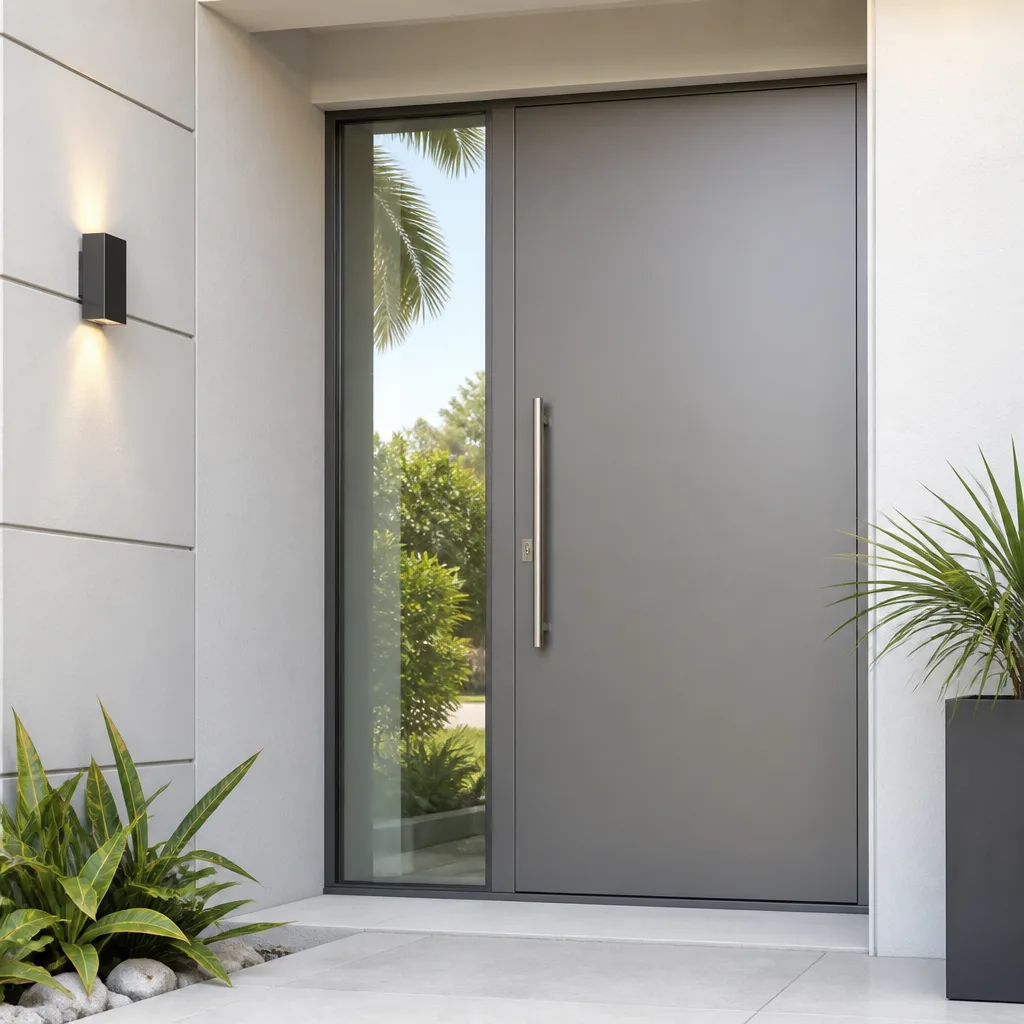
Call a licensed contractor when any of the following apply: the opening size or frame type will change; you’re installing impact-rated products in Miami-Dade or Broward; the existing installation is unpermitted and you need retroactive compliance; or you’re preparing to sell and want to pre-empt inspection findings. The permit process is not a DIY project in Florida’s HVHZ; the product approval documentation, inspection scheduling, and correction management require trade knowledge and jurisdiction relationships.
Sightline Windows & Doors Olympia Heights offers free estimates in Olympia Heights - call (786) 400-2761. Every estimate includes a measured survey you keep, a written scope with permit requirements identified, and a fixed price that doesn’t change once work starts. Haven Clause 1: the measurement and the quote are the same document.
Frequently Asked Questions
A standard like-for-like replacement permit in unincorporated Miami-Dade, which includes Olympia Heights, runs $180-$280 for one to two units; impact-rated replacements or opening modifications run $220-$900 depending on scope. Retroactive permits cost double the original fee. Call (786) 400-2761 for an exact quote on your specific openings - estimates are free.
At Sightline, the written price before work starts is fixed. If the measured survey missed something that affects scope, we document it and discuss before proceeding; we don’t invoice for surprises. Haven Clause 5: No surprises. This applies to permit-related corrections only if the condition was not visible during our initial survey - for example, concealed structural damage behind siding.
We pull permits as the licensed contractor of record. The permit lists our license number and our responsibility for code compliance. You receive copies of all applications and the closed permit card, but we manage scheduling, inspector interface, and correction resolution. This is standard for window and door replacement in Miami-Dade and Broward.
Standard replacements typically run 6-10 weeks from survey to closed permit; full-home impact upgrades run 10-16 weeks depending on material lead times from manufacturers like PGT and CGI. Plan review in Miami-Dade is 3-14 days; inspection scheduling is 1-3 business days after request. We provide a written timeline with every quote.
The inspector issues a correction notice with specific deficiencies. Common retroactive failures in Olympia Heights include unapproved products, inadequate flashing, or egress non-compliance. You must correct the deficiency and schedule re-inspection, or the permit cannot close. In some cases, correction requires product replacement; we assess this risk before starting any retroactive permit application.
Yes, if the garage door is impact-rated or if the replacement affects the garage-to-house fire-rated door or the garage envelope. Sectional garage door replacements with no structural modification sometimes qualify as repair, but in Miami-Dade’s HVHZ, most impact-rated garage door installations require permit verification of the NOA. We evaluate this during our measured survey.
Request the NOA or FPA number in writing, then verify it independently. Miami-Dade’s Product Control Division maintains an online database; Florida’s State Product Approval system is searchable by manufacturer and product. The NOA must show current status, your wind speed zone (175 mph for Olympia Heights), and the specific installation method your contractor plans to use. We provide this documentation with every quote under Haven Clause 1.
The Bottom Line
Florida’s permit and inspection system for windows and doors is not administrative overhead - it’s a financial protection mechanism that affects insurability, resale value, and structural safety in a hurricane-prone state. The specific provisions of FBC 2023, the product approval requirements of Miami-Dade NOA and Florida Product Approval, and the two-stage inspection sequence create a compliance path that, when followed, produces a documented asset. When skipped or misunderstood, the same path produces unpermitted improvements that complicate insurance renewals and home sales. In Olympia Heights and throughout Miami-Dade, the difference is not the quality of the installation alone; it’s whether the installation can be proven to code. We build that proof into every job, starting with the written price and ending with the closed permit card and photo record.
Written by Sonia Raman, Owner at Sightline Windows & Doors Olympia Heights, serving Olympia Heights since 2012.
Six Reasons Homeowners Choose Sightline Windows & Doors Olympia Heights
Impact systems engineered to design pressures up to +/-100, matched to your wind zone - your openings hold when the storm arrives.
Low-E insulated impact glass from our manufacturer lines commonly cuts monthly cooling bills 20-30%.
Laminated impact glass shuts out up to 40% of outside noise - traffic, neighbors, weather.
Monitoring services run $30-90 a month. Laminated impact glass resists forced entry around the clock, with no subscription.
Florida homeowners average around 25% savings on the windstorm portion of their policy after protecting every opening - some homes qualify for more.
A full impact package upgrades curb appeal, buyer confidence and appraised value in one project.
Other Sightline Windows & Doors Olympia Heights Services