Last updated September 24, 2026
New windows and doors improve comfort, cut energy bills and add long-term value to your home. Sightline Windows & Doors Olympia Heights pairs proven product lines with our own installing crews for lasting performance - and a price we put in writing.
1. Choose your installer
The unit is half the job - the install is the other half. Our own background-checked crews measure, set, seal and insulate every opening, and they know the lines we quote inside and out because they install them every week.
2. Select the right products
Compare styles, materials and glass packages side by side until the fit is right for your rooms, your budget and your goals. The product-line comparison below is the place to start.
3. Prepare your home for install
Before install day we walk you through a short checklist - furniture pulled back, treatments down, a clear path to each opening - so install day is watch-it-happen, not scramble.
Compare the Lines We Quote
Every project is priced on the same lines, side by side - the price indicators below are relative, and your consultant shows exact numbers on your actual openings.
PGTThe line Florida homeowners arrive naming - the most Miami-Dade certifications in the industry$$$
- More Miami-Dade NOA certifications than any other line we quote
- WinGuard, EnergyVue and ClassicVue Max systems built for every wind zone
- 99% on-time delivery keeps your install date on the calendar
CGIThe heavyweight impact line$$$$$
- Large-missile impact ratings for the strictest wind zones
- Architectural-grade aluminum with commercial-depth frames
- The line we quote when protection is the whole point
CWSThe Florida value pick$$
- Vinyl systems built in Florida for Florida codes
- Strong energy packages at the friendliest price point
- The smart start for whole-home replacements on a budget
ESWSlim lines, big glass$$$$
- Narrow-sightline aluminum for modern elevations
- Oversized openings and floor-to-ceiling glass
- Impact-rated without the bunker look
ECOThe aluminum impact workhorse$$$
- Miami-built aluminum impact systems
- A strong price-to-protection ratio for coastal homes
- Proven inventory lines with short lead times
Window Installation Maintenance Checklist for Olympia Heights Homeowners
Weep hole blockage - a 10-second fix with a paper clip - is the single most common cause of water intrusion claims in Florida window installations, yet it appears on fewer than one in five contractor-provided maintenance sheets. In Olympia Heights, where afternoon thunderstorms drop two inches in an hour and humidity stays above 75% for half the year, that omission costs homeowners thousands. Most maintenance guides start with “clean the glass” and end with “check the caulk.” This one starts at the day-of-install punch list and works forward through 36 months of documented upkeep, so you know exactly which failures were maintenance failures and which were our Window Installation services failures. That distinction matters when a warranty claim is filed.
Quick Answer
A complete window installation maintenance checklist for Olympia Heights homeowners includes four phases: day-one verification of sill pan slope, weep hole clearance, sealant bead continuity, and hardware torque; quarterly tasks focused on drainage and weatherstripping; annual inspections of frame squareness and glazing bead integrity; and biennial professional assessment of impact-rated laminate and structural fasteners. For related reading, see our Windows & Doors Cost Breakdown: The Olympia Heights Homeowner’s Reference for 2026. Document every action with dated photos to preserve warranty standing.
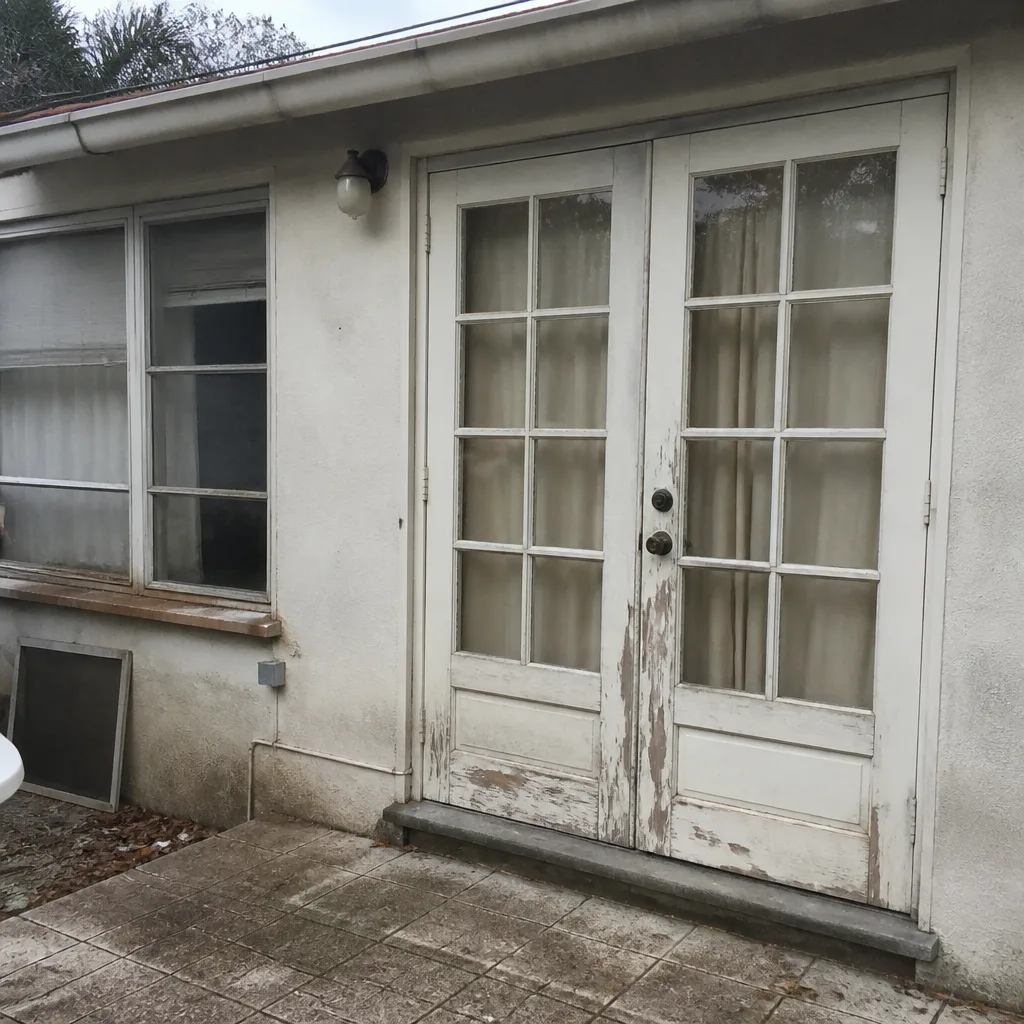 Before
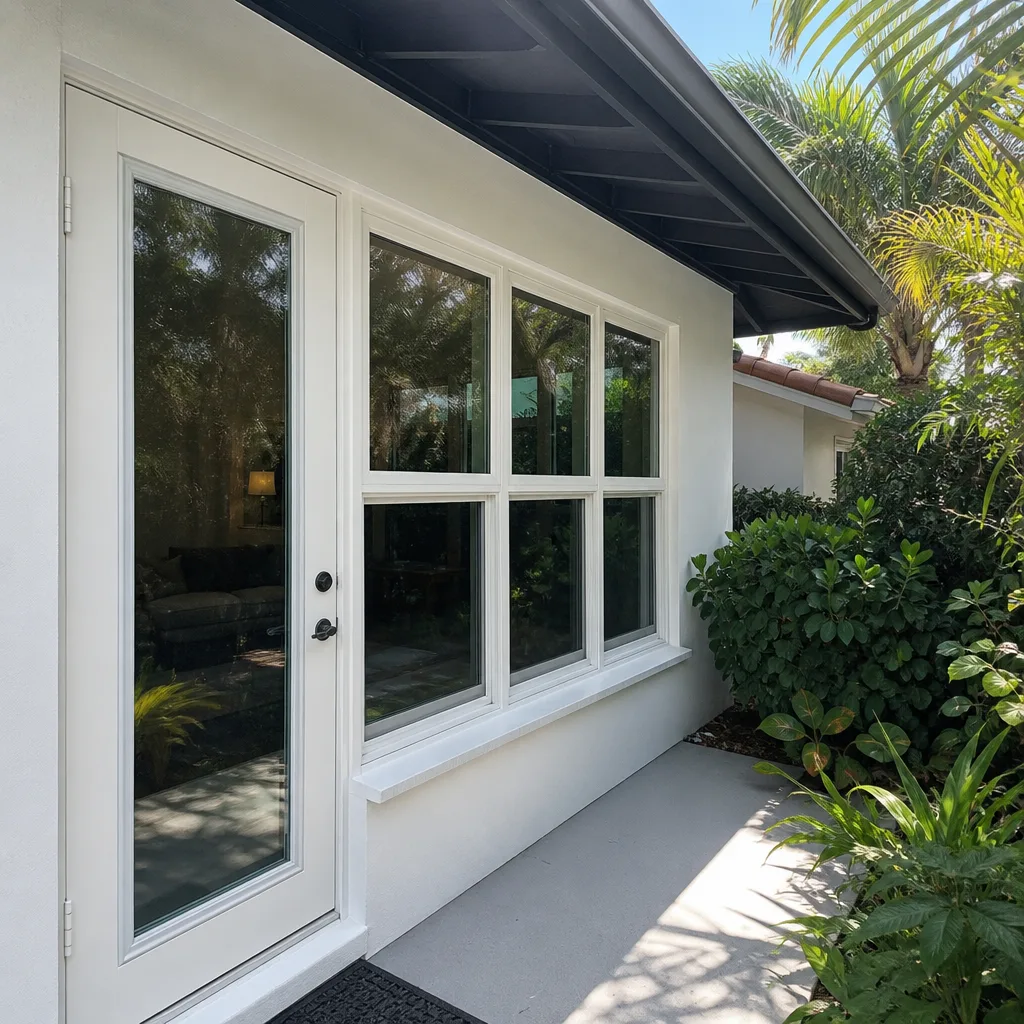 After
AfterTable of Contents
- Day-One Verification: The Punch List Before the Crew Leaves
- Monthly Tasks: Drainage and Surface Care
- Quarterly Tasks: Moving Parts and Seal Integrity
- Annual Inspection: Frame, Glazing, and Structural Assessment
- Biennial Professional Review: Impact Rating and Code Compliance
- The Documentation System That Protects Your Warranty
- Hardware Components: Service Intervals and Part Numbers
- Common Mistakes to Avoid
- When to Call a Professional
- Frequently Asked Questions
Day-One Verification: The Punch List Before the Crew Leaves
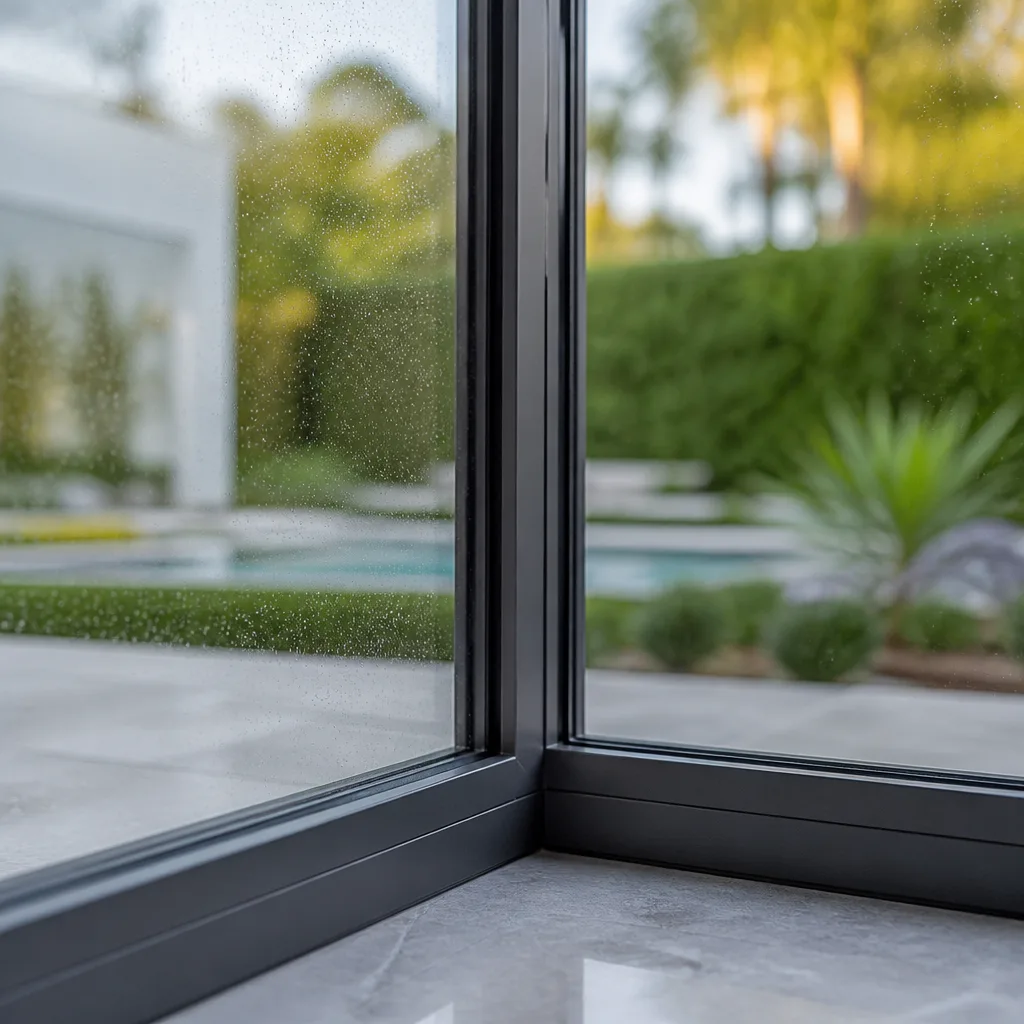
Every window installation in Olympia Heights should end with a verification walk that takes 15 minutes and prevents 15 years of problems. The crew is still on site. The tools are still out. This is your only chance to confirm four critical items that cannot be checked later without disassembly.
Sill pan slope. The sill pan must pitch outward at minimum 1/4 inch per foot. Water that pools on a flat sill finds the path of least resistance, and in Olympia Heights that path is usually your drywall. Place a 2-foot level on the sill. If the bubble doesn’t break toward the exterior, the pan is wrong. We measure this on every Sightline Windows & Doors Olympia Heights home installation and record the reading on the customer’s copy of the measured survey.
Weep hole clearance. Weep holes are the small slotted openings at the bottom of the frame that let drained water exit to the exterior. They must be unobstructed and visible from outside without crouching. A weep hole hidden behind thick exterior paint, packed with construction debris, or covered by landscaping mulch will back water into the wall cavity. On PGT and ECO Window Systems vinyl frames common in Olympia Heights, the weep hole baffle - a small plastic flap - must move freely when pressed with a fingertip. If it doesn’t, the baffle is either bonded by paint or installed backward.
Sealant bead continuity. The exterior sealant joint between frame and wall should be a single continuous bead with no gaps, no bubbles wider than a pencil eraser, and full contact with both surfaces. In our experience across 18,000+ openings, the most common installation defect is a sealant skip at the top corners where the crew rushed to finish. Run your finger along the bead; a break you can feel is a break water can find.
Hardware torque. Hinge screws, lock strikes, and operator arms should be tight to manufacturer spec without being stripped. On Therma-Tru multi-point locking systems, the handle should operate with consistent resistance through its full travel - not loose, not grinding. Ask the crew to demonstrate full operation of every moving part while you watch.
Document this walk with dated photos of each verified point. The photo record starts here, not after the first problem appears.
Monthly Tasks: Drainage and Surface Care
Olympia Heights sits in Miami-Dade County’s high-velocity hurricane zone, which means windows face a specific stress cycle: summer saturation followed by winter dryness, year-round UV exposure, and salt-laden air even miles inland. Monthly maintenance addresses what this climate deposits on and in your windows.
Task 1: Weep hole check and clearing. Insert the end of a paper clip or weep hole tool into each opening. The wire should pass through to daylight. If you feel resistance, the blockage is usually pollen paste, gecko droppings, or spider web - all common in Olympia Heights. Flush with a cup of water poured slowly into the track; it should exit the weep hole within 10 seconds. If water backs up, the internal drainage channel is obstructed and needs professional clearing.
Task 2: Track and sill debris removal. Vacuum the window track with a brush attachment, then wipe with a damp cloth. Do not use a hose or pressure washer; forced water can breach the interior seal. In ground-floor installations near landscaping, check for mulch fragments and leaf litter that accumulate after storms.
Task 3: Exterior sealant visual scan. Stand inside and look for daylight between the frame and wall. Stand outside and look for cracks in the sealant surface. A hairline crack in month three becomes a gap in month twelve. Mark any change with masking tape and photograph it.
Task 4: Glass surface cleaning. Use a solution of mild dish soap and water. Avoid ammonia-based cleaners on coated glass; the coating on low-E and impact-rated laminates can degrade with repeated ammonia exposure. Dry with a microfiber cloth, not paper towels, which trap grit and scratch.
These four tasks take 20 minutes per window. Do them the first Saturday of every month, and keep a simple log: date, window location, any findings.
Quarterly Tasks: Moving Parts and Seal Integrity
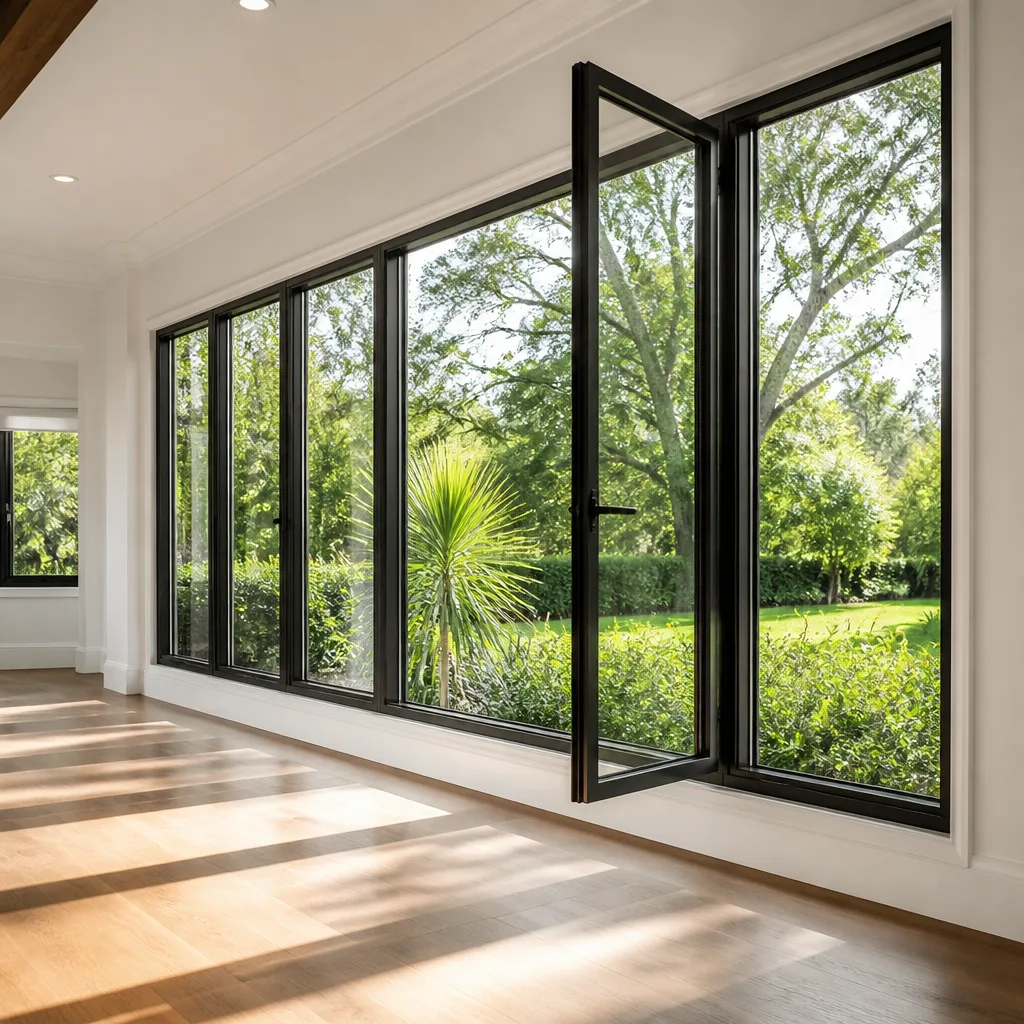
Every three months, maintenance shifts from cleaning to mechanical function. Temperature cycles in Olympia Heights - 90°F days dropping to 75°F nights in summer, 80°F days to 60°F nights in winter - cause frame expansion and contraction that loosen fasteners and compress weatherstripping.
Step 1: Operate every window through full range. Open fully, close fully, lock, unlock. Note any binding, squeaking, or resistance change. Binding in a double-hung usually means the sash balance is failing; in a casement, the hinge arm may be loosening from the frame.
Step 2: Inspect weatherstripping. The compressible seal between sash and frame should rebound when pressed. Permanent compression set - the strip stays flat - means air and water can pass. On PGT WinGuard and ECO Window Systems impact-rated units, replacement weatherstripping is profile-specific; generic strip from a hardware store will not seal correctly and may void the product warranty.
Step 3: Check lock engagement. The sash should draw tight to the frame when locked. If you can wiggle the locked sash, the lock strike is misaligned or the keepers are worn. A window that doesn’t lock securely is a failed egress component under Florida Building Code and a security risk.
Step 4: Examine drain channels in the frame. These internal pathways carry water from the track to the weep holes. Pour a cup of water into the track and time the exit. More than 15 seconds suggests partial blockage from algae or sediment, common in Olympia Heights where humidity keeps channels damp. A pipe cleaner run through the channel opening usually clears it.
Step 5: Lubricate moving parts. Use a silicone-based dry lubricant on hinges, rollers, and lock mechanisms. Petroleum-based lubricants attract dust and gum up in Florida heat. Apply sparingly; excess lubricant drips onto glass and collects dirt.
Mark your calendar for January, April, July, and October. These months align with Olympia Heights’s seasonal transitions and catch problems before they worsen.
Annual Inspection: Frame, Glazing, and Structural Assessment
Once per year, conduct a deeper inspection that checks the window as a structural element of your home. This is the inspection that separates maintenance from replacement planning.
Frame squareness. Measure diagonally across the window frame, both directions. The two measurements should match within 1/8 inch. Greater variance means the opening has shifted, the frame has twisted, or the installation shims have compressed. In Olympia Heights, where many homes built between 1950 and 1980 have concrete block construction with minimal reinforcing, minor foundation settlement is common. A frame out of square puts shear stress on the glass and operating hardware.
Glazing bead integrity. The glazing bead - the removable strip that holds the glass in the frame - should be fully seated with no gaps. On impact-rated units from PGT or Mr-Glass, the bead also secures the laminate interlayer. A popped bead is an immediate safety issue; the glass assembly may not perform as rated in a storm. Press along the bead length; it should be uniformly tight.
Sealant bead condition. After a full year of thermal cycling, the exterior sealant should still be elastic. Probe gently with a putty knife; material that crumbles or separates from the substrate has reached end of life. In Olympia Heights’s UV exposure, quality polyurethane sealant lasts 5-7 years; basic silicone, 3-5. If you’re seeing degradation at year one, the original bead was too thin or applied to a dirty surface.
Fastener inspection. Remove interior trim where accessible and examine the installation fasteners. They should be corrosion-free and tight. Salt air penetrates even inland; we’ve found significant fastener corrosion in Olympia Heights homes more than five miles from the coast. Stainless steel fasteners show surface staining but maintain strength; galvanized fasteners in constant humidity may have active corrosion.
Screen and accessory condition. Screens should be taut with no tears; torn screens indicate the frame has been impacted or the mesh has fatigued. On retractable screens, check the recoil spring; weak return means the spring is corroding internally.
Photograph every finding. Date the photos. Store them with your installation documents. This is the evidence that distinguishes a maintenance failure from an installation failure.
Biennial Professional Review: Impact Rating and Code Compliance
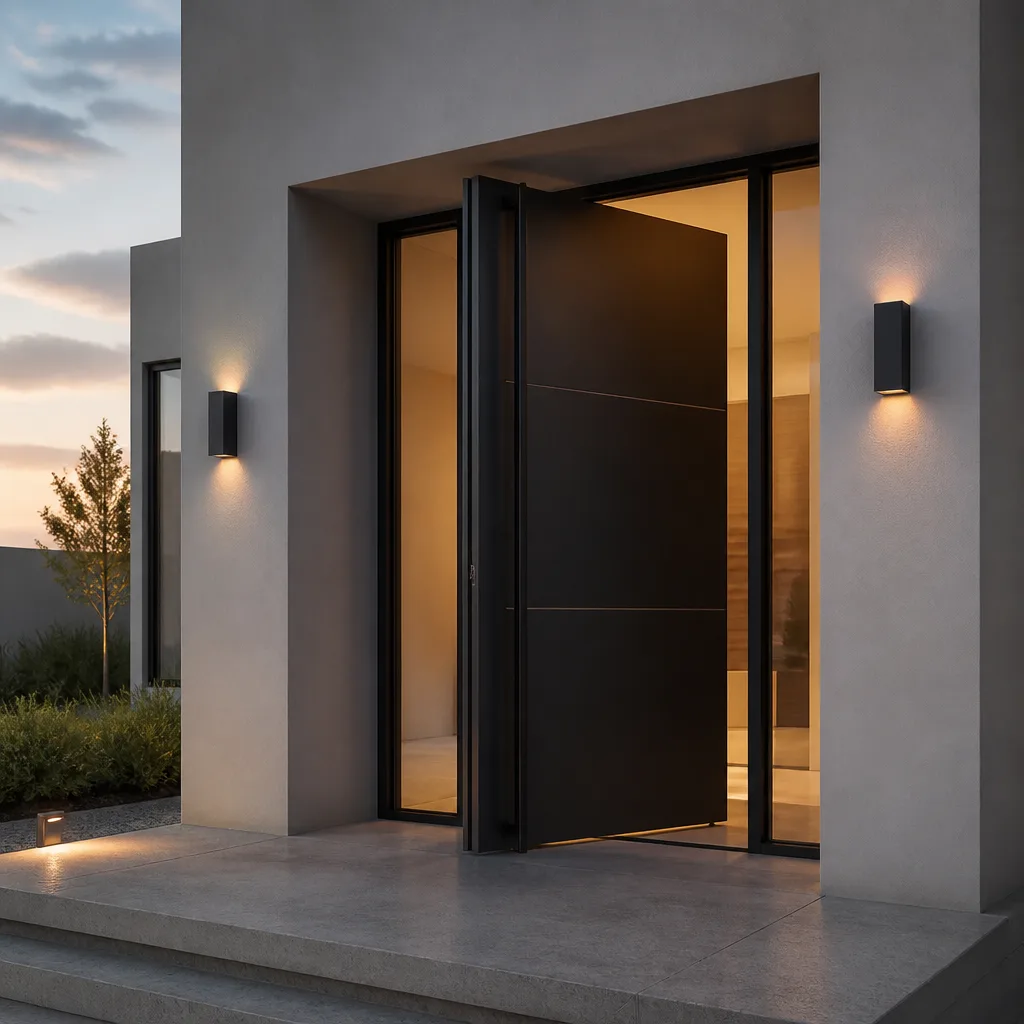
Every two years, hire a licensed glazier or window contractor to assess components that homeowners cannot evaluate without disassembly. This is not a sales call; it is a technical audit. In Olympia Heights, located within Miami-Dade County’s strict wind-borne debris region, this audit has code implications.
Impact-rated laminate inspection. Impact windows use laminated glass with a polyvinyl butyral (PVB) or ionoplast interlayer. Over time, UV exposure and thermal cycling can cause delamination - visible as edge fogging or bubbles in the glass sandwich. Delamination reduces impact resistance and may not be visible from a casual glance. A professional uses edge lighting and polarized inspection to detect early-stage separation.
Structural fastener torque verification. The anchors that secure the window frame to the rough opening are subject to cyclic loading from pressure changes during storms. A professional torque check confirms they remain at specification. This matters for window replacement in Olympia Heights warranty claims; manufacturers increasingly require documented professional inspection to maintain impact-rating coverage.
Flashing and water management review. The pan flashing, end dams, and back dam behind your window are not visible without removing trim. A professional inspection checks these for deterioration, displacement, or improper original installation. In our 18,000+ installations, we’ve found that roughly 12% of homes have some form of flashing defect from prior work, even when the visible window appears correct.
Code compliance check. Florida Building Code updates regularly. A biennial professional review confirms your windows still meet current egress, impact, and energy requirements; learn more in our guide to Windows & Doors Permits, Codes & Inspections in FL: What You Need to Know. If you’ve modified surrounding structure - added a patio enclosure, changed roof geometry - the original window certification may no longer apply to the altered opening.
Sightline’s Haven Standard includes this biennial review as a scheduled service for past customers. The documented photo record from the review becomes part of your permanent file.
The Documentation System That Protects Your Warranty
Warranty claims fail for two reasons: the defect is real but not covered, or the homeowner cannot prove the defect isn’t maintenance-related. A documentation system closes the second gap.
The file structure. Create a folder - physical or digital - for each window location: “Master Bedroom East,” “Living Room South,” etc. In each folder, maintain:
- The original installation measured survey and written quote
- Day-one verification photos with date stamps
- Monthly task logs with findings
- Quarterly inspection notes
- Annual inspection photos
- Biennial professional reports
- All product warranty documents from the manufacturer
Photo standards. Every maintenance photo should include: the date, the window location, and a reference object for scale. Take photos from consistent angles so year-over-year comparison is possible. Photograph the weep hole clear, the sealant bead continuous, the hardware engaged. If you find a problem, photograph it before touching it; the untouched state is evidence.
Log format. A simple table: Date | Task | Finding | Action Taken | Photo File Name. This is the record that transforms “my window leaks” from a complaint into a documented maintenance history that supports your position.
Storage. Keep physical copies in a fire-safe box and digital copies in cloud storage with automatic backup. Manufacturer warranties run 10-20 years; your documentation must last as long.
When Sightline installs a window, the customer receives the measured survey they keep, the written scope, and the photo record from installation day. We encourage homeowners to continue that documentation habit; find more guides & resources on our blog. The 365-Day Done Right Promise covers installation defects; maintenance documentation proves which category a later problem falls into.
Hardware Components: Service Intervals and Part Numbers
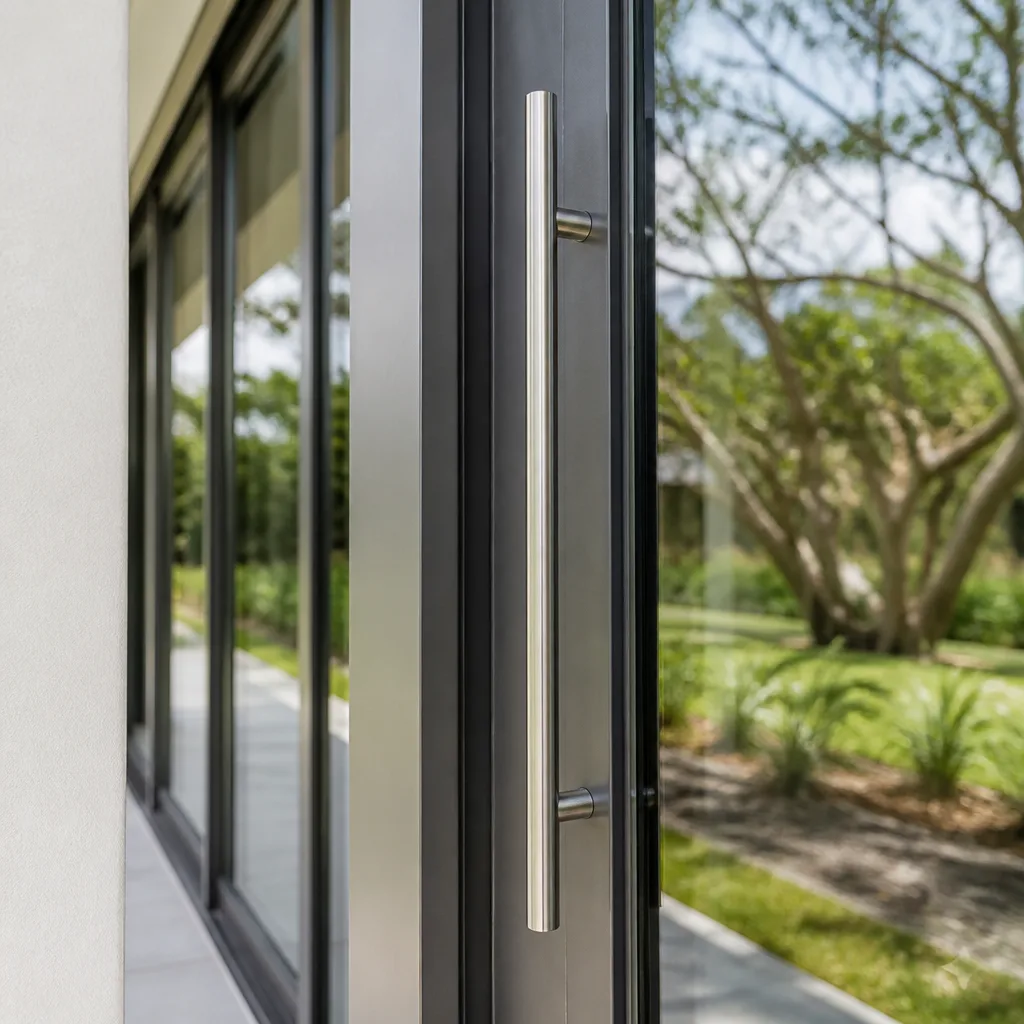
Five hardware components govern window function and longevity. Each has an expected service interval and, for common Florida-market brands, a specific replacement part that preserves warranty coverage.
Hinges (casement and awning windows). Inspect annually for wear in the pivot bushings. Lubricate quarterly with dry silicone. Replacement interval: 10-15 years under normal use, 7-10 years in coastal humidity. On PGT casement units, the hinge set is part number 900-XXXXX series; on ECO Window Systems, consult the stamped code on the hinge arm itself, as configurations vary by sash weight.
Rollers (sliding windows and doors). Clean monthly; debris is the primary failure mode. Adjust annually for sash drop; the adjustment screw is usually at the roller housing. Replacement interval: 5-8 years. PGT sliding window rollers are stainless steel, part number varies by series (4100, 4200, or 2300). Using non-stainless replacement in Olympia Heights humidity guarantees premature corrosion.
Locks and multipoint mechanisms. Operate monthly to prevent seizing. Lubricate lock cylinders with graphite, not oil. Replacement interval: 10-20 years for the mechanism, 5-7 years for handles that see daily use. Therma-Tru multipoint systems use proprietary keepers; generic replacement will not align correctly and may damage the mechanism.
Weatherstripping. Inspect quarterly; replace when compression set exceeds 30% of original thickness. Replacement interval: 3-5 years in high-UV, high-humidity environments. This is the most commonly neglected maintenance item and the easiest to address. Order by window series, not by “generic window seal.” PGT, ECO Window Systems, and Mr-Glass each use profile-specific extrusions that are not cross-compatible.
Drain channels and weep systems. Clear monthly; replace weep hole baffles if damaged or painted over. Replacement interval: baffles are consumable items, 2-3 years. Part numbers are usually molded into the baffle itself; photograph before ordering.
Using incorrect replacement parts is a warranty-voiding event for most manufacturers. The part number on the component, not the window label, is the authoritative source.
Common Mistakes to Avoid
- Pressure-washing the exterior sealant joint. The forced water stream drives moisture past the sealant and into the wall cavity. In Olympia Heights, where afternoon storms already test the installation, pressure washing adds unnecessary hydraulic load. Use a garden hose with a gentle spray if cleaning is needed.
- Applying petroleum-based lubricant to window hardware. It attracts dust, gums in heat, and can degrade nylon bushings. We’ve replaced hinges that were “maintained” with WD-40 and seized solid within a year. Silicone dry lubricant only.
- Ignoring weep holes until water appears inside. By the time interior drywall shows staining, the wall cavity has been wet through multiple rain events. The 10-second weep hole check prevents the $2,000 wall repair.
- Using generic replacement weatherstripping from a hardware store. The profile won’t match the frame groove, the compression set will be wrong for the sash weight, and the manufacturer can void warranty coverage for “unauthorized modification.” Order by part number.
- Documenting only problems, not normal condition. A warranty dispute requires proof of maintenance, not just absence of negligence. Photos of clear weep holes and continuous sealant in year one support your position if a leak develops in year five.
- Performing structural modifications without permit verification. Enlarging a window opening, converting a fixed unit to operable, or adding a new opening requires Miami-Dade County permitting. Unpermitted work voids manufacturer warranties and complicates insurance claims after storm damage.
- Skipping the biennial professional review to save money. The cost of a technical audit is minor compared to discovering delamination or fastener failure after a storm, when the manufacturer disputes coverage based on lack of documented maintenance.
When to Call a Professional
Some conditions cross from maintenance into structural or code-compliance territory. Call a licensed contractor when you find: frame squareness variance exceeding 1/4 inch, indicating structural movement; glazing bead failure on impact-rated units, which compromises storm protection; delamination or fogging between glass lites, suggesting seal failure; fasteners with active corrosion or loosening from the substrate; or any modification to the opening size or type, which requires permit and inspection under Miami-Dade County code.
Also call when a maintenance task requires disassembly that would void warranty - removing impact-rated glass, accessing concealed flashing, or adjusting factory-set balance mechanisms. The manufacturer’s warranty terms govern what a homeowner may do; exceeding them risks coverage.
Door installation in Olympia Heights and window work share many of these thresholds; the same documentation discipline applies.
Sightline Windows & Doors Olympia Heights offers free estimates in Olympia Heights - call (786) 400-2761. We also provide free second opinions on any written estimate from another contractor, with no obligation.
Frequently Asked Questions
DIY maintenance costs $50-$100 annually in supplies: silicone lubricant, replacement weatherstripping, cleaning materials, and basic tools. Professional biennial inspection runs $150-$300 per opening for a licensed glazier’s technical audit, which includes impact-rated laminate inspection, fastener torque verification, and flashing review. Call (786) 400-2761 for an exact quote - estimates are free.
No, if you follow manufacturer guidelines and use specified parts. Warranty voidance occurs from unauthorized disassembly, use of non-specified replacement components, or structural modifications without permit. Document your maintenance actions with dated photos to prove compliance if questioned.
Every two years minimum, due to the high-velocity hurricane zone requirement and the accelerated wear from UV, humidity, and salt air. Homes within three miles of Biscayne Bay or with direct western exposure may benefit from annual professional review.
Weep hole blockage followed by weatherstripping neglect. The first causes immediate water intrusion; the second causes gradual energy loss, hardware strain, and eventual sash misalignment. Both are preventable with the monthly and quarterly tasks in this checklist.
No. Component replacement using manufacturer-specified parts is routine maintenance. You need a permit for any modification to the opening dimensions, conversion between fixed and operable units, or replacement that alters the impact rating or egress compliance of the original installation.
Installation errors usually manifest within the first 12-24 months: sealant skips, improper sill pan slope, missing end dams. Maintenance failures develop gradually after years of neglected weep holes, compressed weatherstripping, or corroded hardware. Your documentation file proves which timeline applies. Sightline’s 365-Day Done Right Promise covers installation defects; maintenance-related issues fall to the homeowner under standard warranty terms.
The Bottom Line
A window installation maintenance checklist that starts after the crew leaves is incomplete. The day-one verification - sill pan slope, weep hole clearance, sealant continuity, hardware torque - sets the baseline that all future maintenance references. From there, monthly drainage care, quarterly mechanical inspection, annual structural assessment, and biennial professional review create a documented history that protects warranty standing and distinguishes maintenance failures from installation defects. In Olympia Heights’s demanding climate, this discipline is not excessive; it is the difference between a window that lasts its rated life and one that fails prematurely.
The Haven Standard governs every installation Sightline completes: Have it in writing, Arrive on schedule, Verified crews, Evidence on every job, No surprises. That standard extends to maintenance guidance that actually protects the homeowner, not just the contractor.
Call (786) 400-2761 to schedule your free estimate, or bring us any competitor’s written estimate for a free second opinion.
Written by Sonia Raman, Owner at Sightline Windows & Doors Olympia Heights, serving Olympia Heights since 2012.
Six Reasons Homeowners Choose Sightline Windows & Doors Olympia Heights
Impact systems engineered to design pressures up to +/-100, matched to your wind zone - your openings hold when the storm arrives.
Low-E insulated impact glass from our manufacturer lines commonly cuts monthly cooling bills 20-30%.
Laminated impact glass shuts out up to 40% of outside noise - traffic, neighbors, weather.
Monitoring services run $30-90 a month. Laminated impact glass resists forced entry around the clock, with no subscription.
Florida homeowners average around 25% savings on the windstorm portion of their policy after protecting every opening - some homes qualify for more.
A full impact package upgrades curb appeal, buyer confidence and appraised value in one project.
Other Sightline Windows & Doors Olympia Heights Services